Palm Tree Removal in Montgomery County, PA
Palm tree removal services involve the safe and efficient removal of palm trees that may be dying, damaged, or unwanted on residential properties. This process typically includes assessing the tree’s size and location, carefully cutting and dismantling it, and removing debris to ensure the property remains clean and safe. Projects can range from removing a single problematic palm to clearing multiple trees for landscaping or safety reasons, especially when trees pose a risk during storms or have become overgrown.
Property owners often seek palm tree removal to improve the appearance of their yard, prevent potential damage, or eliminate hazards. Before requesting this service, it’s helpful to understand the size and health of the tree, its proximity to structures or power lines, and any local regulations or permits that might be required. Proper planning and assessment ensure the removal process is conducted safely and efficiently, minimizing disruption to the property.
Many property owners in Montgomery County, PA look into Palm Tree Removal for repairs, replacements, upgrades, and appearance-related improvements.
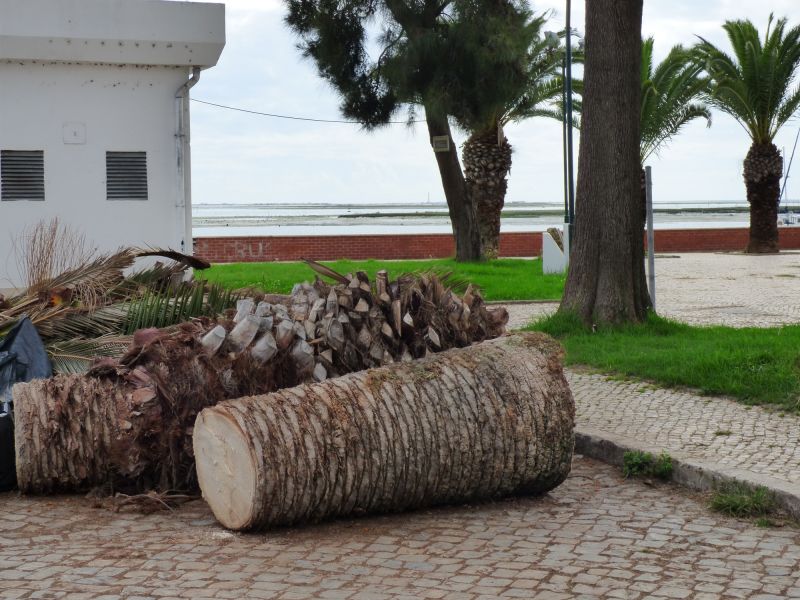
Tree Removal For Safety
Removing hazardous or dead palms helps prevent property damage and personal injury.
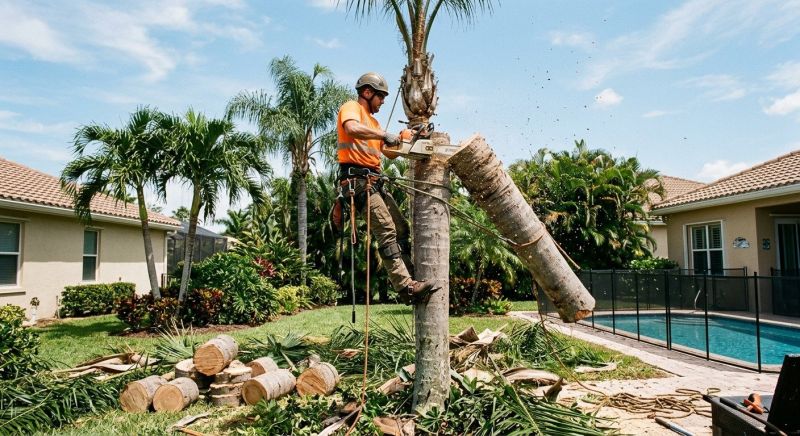
Property Enhancement
Clearing overgrown or unwanted palms can improve the appearance and accessibility of outdoor spaces.
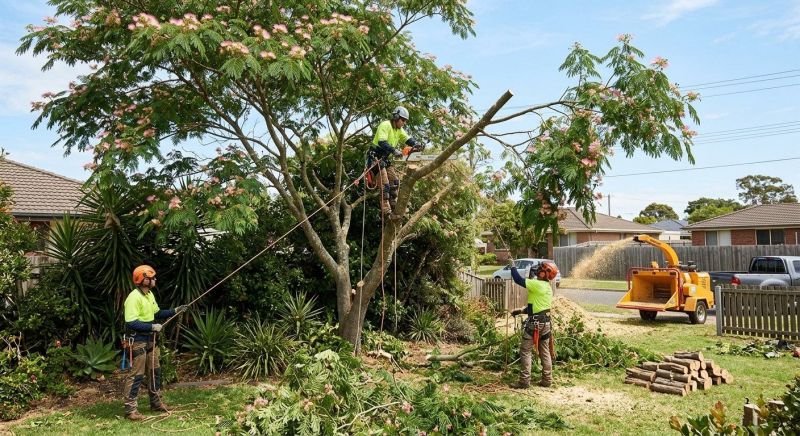
Storm Damage Cleanup
Prompt removal of storm-damaged palms reduces risks and restores the landscape in montgomery county, pa.
Palm Tree Removal in Montgomery County, PA
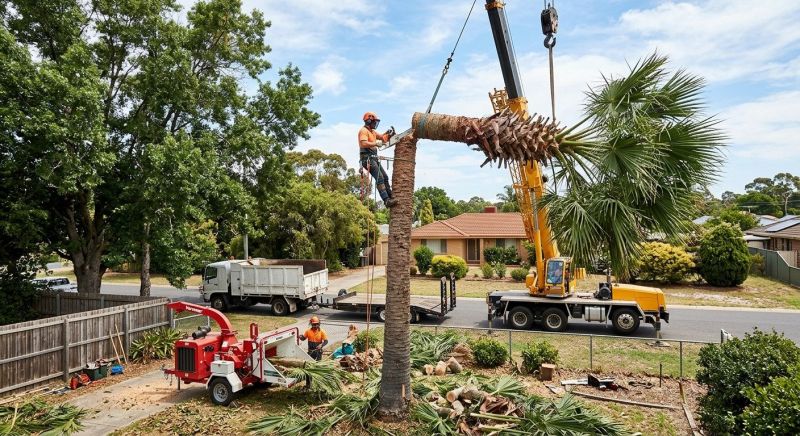
Palm tree removal services involve the safe and efficient removal of palm trees that may be dying, damaged, or unwanted on residential properties. This process typically includes assessing the tree’s size and location, carefully cutting and dismantling it, and removing debris to ensure the property remains clean and safe. Projects can range from removing a single problematic palm to clearing multiple trees for landscaping or safety reasons, especially when trees pose a risk during storms or have become overgrown.
Property owners often seek palm tree removal to improve the appearance of their yard, prevent potential damage, or eliminate hazards. Before requesting this service, it’s helpful to understand the size and health of the tree, its proximity to structures or power lines, and any local regulations or permits that might be required. Proper planning and assessment ensure the removal process is conducted safely and efficiently, minimizing disruption to the property.
Many property owners in Montgomery County, PA look into Palm Tree Removal for repairs, replacements, upgrades, and appearance-related improvements.
Common Palm Tree Removal Jobs
Palm Tree Removal - Safe removal of unhealthy or damaged palm trees to prevent property damage.
Stump Grinding - Complete stump removal to restore lawn space and improve landscape appearance.
Palm Tree Trimming - Pruning to maintain health, shape, and safety of mature palm trees.
Emergency Palm Tree Services - Rapid response for storm-damaged or hazardous palm trees.
Selective Tree Removal - Removal of specific palms that interfere with property or utility lines.
Landscape Clearing - Clearing palms to prepare for new planting or construction projects.


Palm Tree Removal Questions
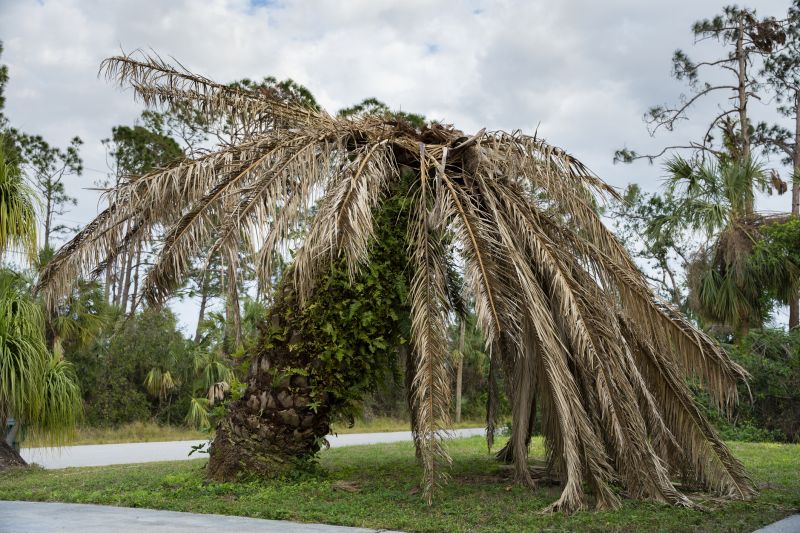
When is palm tree removal necessary? Removal may be needed if the tree is dead, diseased, or poses a safety hazard due to structural issues or proximity to structures.
What should property owners consider before removal? It's important to assess the size, location, and potential impact on surrounding landscaping or structures before proceeding.
Are there alternatives to complete removal? In some cases, trimming or pruning can address health or safety concerns, but removal is often recommended for severely damaged or hazardous palms.
What are common reasons for removing palm trees? Reasons include disease, storm damage, overgrowth, or to improve property aesthetics and safety.
Request Palm Tree Removal in Montgomery County, PA
Use the quote form on this page to share the basics of your project and request more information for the type of work you need.